

Why Is Your Water Pressure Low? Common Causes in Dade City, FL
Water pressure usually fades so gradually that nobody notices until a houseguest says something, or until a hotel shower delivers a reminder of what normal feels like. By the time the kitchen faucet takes a full minute to fill a pasta pot, the problem has usually been building for a while.
The encouraging part is that low pressure follows patterns, and the patterns point at the cause. One weak fixture tells a different story than a weak whole house, and a sudden drop tells a different story than a slow fade. Here is how to read yours, starting with the checks that cost nothing.
What causes low water pressure in your house?
The common causes are clogged faucet aerators and shower heads, a shutoff valve that is not fully open, a failing pressure regulator, hard water scale narrowing the lines, a hidden leak, or corroded galvanized pipe in older homes. One weak fixture points to a local fix, while a whole house problem points to the supply, the regulator, or the pipes themselves.
The timeline is the other clue. A sudden drop usually means a valve got bumped or a leak just started. A fade over months or years usually means scale or corrosion doing slow work. Match the pattern to the suspect and half the diagnosis is already done.
Start with the five minute checks
If only one fixture is weak, the fix is probably in your hand. Unscrew the faucet aerator or shower head, soak it in vinegar for an hour, scrub, and rinse. Around Dade City the white crust packing those little screens is mineral scale, our region’s specialty, and it chokes flow long before anything else in the house complains. Check the fixture’s own shutoff underneath the sink too, because half open angle stops are a classic after any repair or remodel.
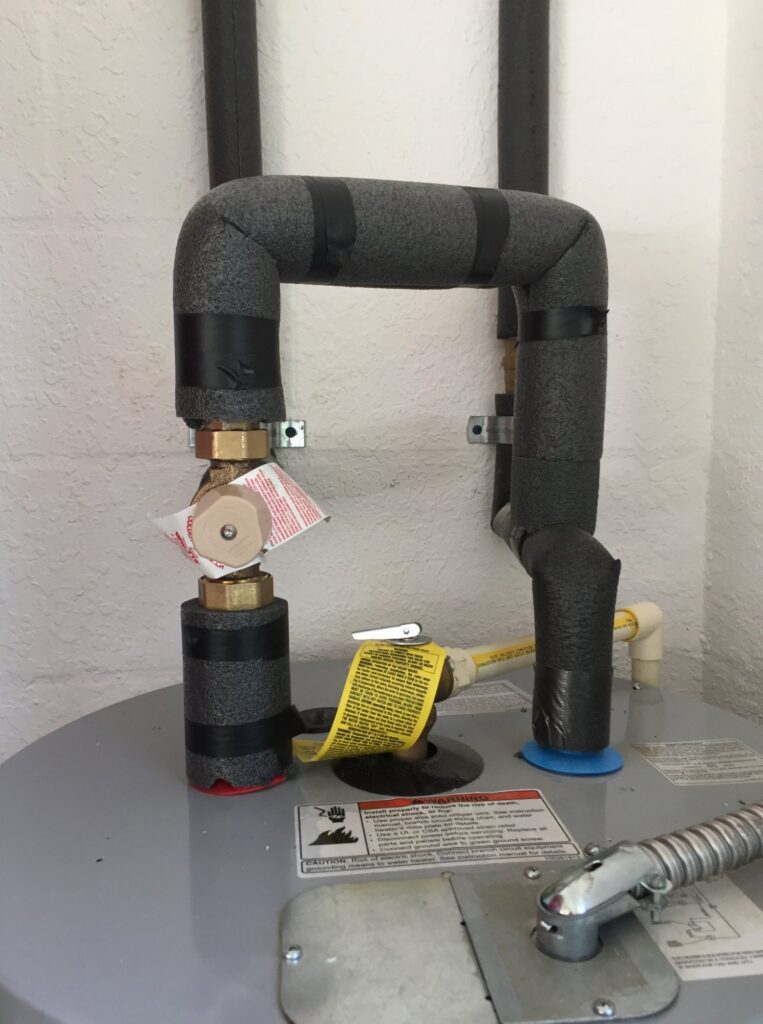
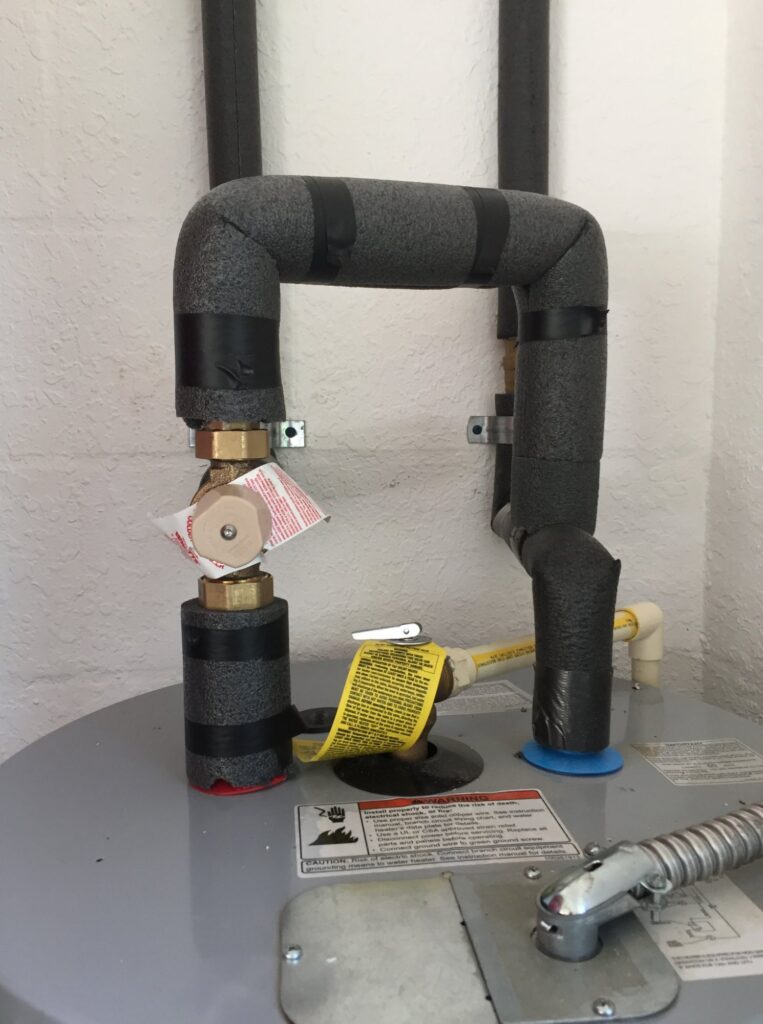
If the whole house is weak, walk the valves. The main shutoff where the line enters the house and the valve out at the meter both need to be fully open, and both have a habit of being left partially closed after work gets done. One more freebie: if only the hot side is weak everywhere, the cold plumbing is innocent and your water heater or its valves are the suspect, often thanks to sediment buildup.
The pressure regulator nobody remembers exists
Many homes have a pressure reducing valve on the main line, a bell shaped brass fitting that tames street pressure to something your pipes and appliances can live with. They quietly serve for 10 to 15 years and then drift out of spec, sometimes strangling the whole house, sometimes letting pressure creep too high, which announces itself through banging pipes and drippy relief valves. A $15 gauge threaded onto a hose bib gives the verdict, with most homes happiest between about 40 and 60 psi.
Rural Pasco County adds its own version of this story. Homes on wells rely on a pump, a pressure tank, and a pressure switch, and a waterlogged tank or a tired switch produces pressure that pulses, sags, or cycles the pump constantly. It is a different repair but the same phone call, and a plumber can tell within minutes which component is loafing.
Scale, corrosion, and pipes that shrink from the inside
Decades of hard water leave mineral deposits along pipe walls, and the hot lines collect scale fastest because heat encourages the minerals to drop out of the water. Meanwhile the older homes around Dade City that still carry galvanized steel pipe face the harsher version: the pipe rusts from the inside, the opening narrows year after year, and the water eventually arrives with a rusty tint and no ambition.
Once the pipe itself is the bottleneck, no amount of aerator cleaning helps, because the restriction runs the full length of the system. That is the repipe conversation, and modern PEX restores flow the house has not seen in decades. If the material is still healthy, a water softener stops the scale from advancing, which protects the pressure you have left along with every appliance downstream.
When low pressure means water is escaping
A leak steals pressure and money at the same time. Shut off every fixture and appliance that uses water, then watch the small leak indicator on your water meter. Movement with everything off means water is leaving the system somewhere, and pressure loss is often the first symptom. Back it up with the other signs: a water bill creeping upward, damp patches, a warm spot on the floor, or a mildew smell with no visible source.
Treatment equipment can also be the choke point. A failing water softener or a clogged whole house filter throttles everything behind it, and both have bypass valves for exactly this test. Flip the bypass, and if the pressure roars back, you have found the bottleneck. A plumber can isolate any of these in a single visit, usually without opening a single wall.
Bottom Line
Low water pressure is a symptom with a short suspect list: fixtures, valves, the regulator, scale, old pipe, or a leak. Run the free checks first, note the pattern, and let the evidence point. Massey Plumbing tracks down pressure problems across Dade City and Pasco County and fixes the cause instead of the symptom. If your shower has gone soft, give us a call and we will get your pressure back where it belongs.
Related reading: Garbage Disposal Dos and Don’ts for Dade City Homes, Why Your Toilet Keeps Running and How to Stop It


