

Plumbing Checks Every Dade City Home Needs After a Hurricane
The storm gets the headlines, but a surprising share of the plumbing damage we see in Pasco County shows up in the days after landfall, when the ground is saturated, the power is flickering back to life, and everyone is understandably focused on the visible cleanup. The plumbing problems wait politely in line, then introduce themselves in week two.
Prepping before the storm is half the battle, and we have covered that season opener already. This is the other half: the checks to run once the wind stops, roughly in the order that catches trouble fastest.
What plumbing should you check after a hurricane?
Walk the yard for soggy spots, erosion, and popped cleanout caps, run every faucet and flush every toilet while watching for slow drains, keep a water heater that took flood water shut down until it is inspected, and follow any boil water notice until it officially lifts. Homes on wells or septic need a few extra steps before life goes back to normal.
Most of the list takes about an hour. The items it catches are the ones that turn into emergency calls ten days later, when every plumber in Pasco County is already booked with everyone else’s week two surprises.
Start outside with a slow walk
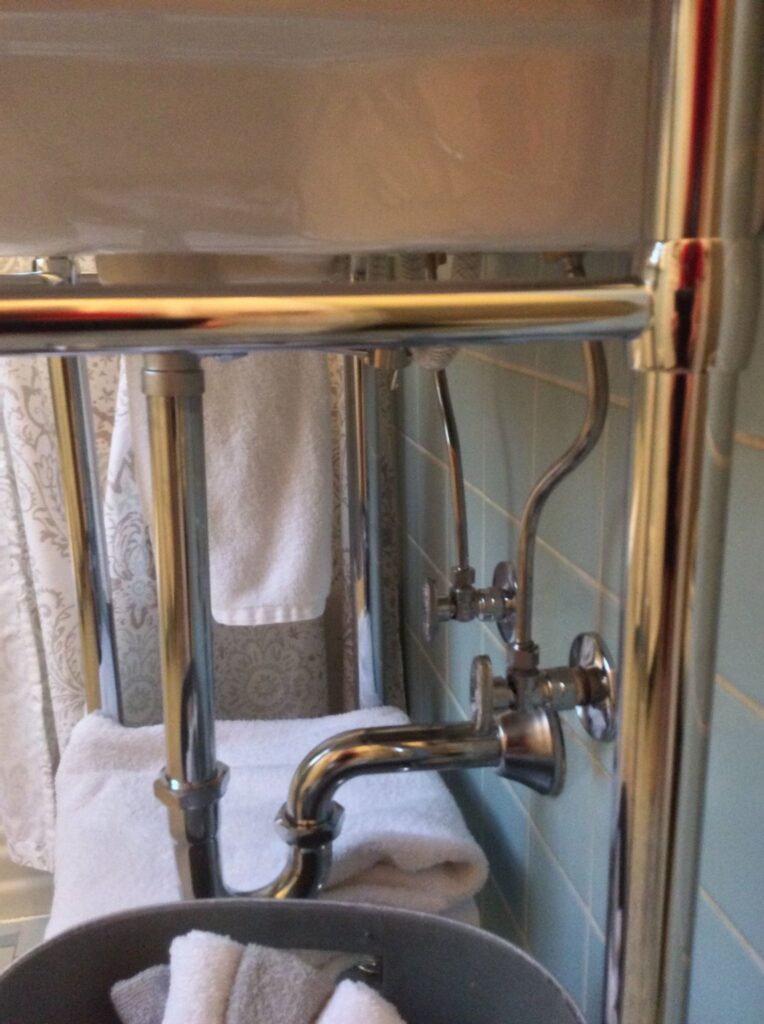
Circle the house and read the ground. Standing water that refuses to drain, new low spots, and fresh erosion channels near the foundation all tell you where the storm moved soil, and soil movement is what stresses buried pipe. Look for any pipe or irrigation line the runoff exposed, and check your sewer cleanout, the capped pipe in the yard. A lifted or popped cleanout cap is a calling card of a surcharged sewer line during the storm.
Pasco County sits on limestone, and the days after a major rain event are when sinkhole activity tends to get noticed. A new circular depression that seems to deepen deserves genuine caution and a call to your insurance carrier, not a wheelbarrow of fill dirt. On septic properties, note whether the drain field is squishy or has standing water, because that changes how you should use the house for the next several days.
Inside: run everything and listen
Work through the house fixture by fixture. Run each faucet for a couple of minutes and expect some sputtering, since outages and utility repairs push air and sediment into the lines, and a few minutes of cold flow clears both. Flush every toilet and watch the recovery. Pay attention to every drain’s speed and to any gurgling, which is the sound of a drain trying to breathe through a system that is still waterlogged.
The pattern matters here. One slow drain is an ordinary clog and a routine appointment. Every drain running slow at once points to a municipal system or septic field still overwhelmed, and the right move is a day or two of light water use, not a drain machine. The exception that cannot wait: sewage backing up into tubs or the lowest drains means stop using water entirely and call for help now.
The water heater rule with no exceptions
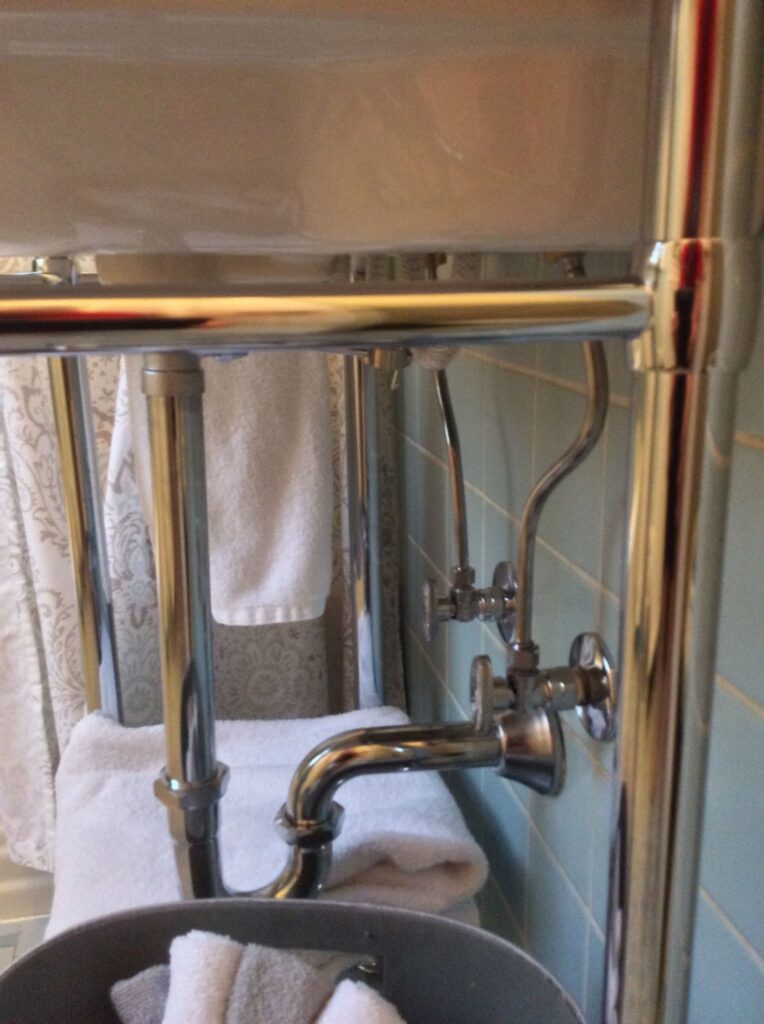
If flood water reached your water heater, it stays off until a professional looks at it. Soaked gas valves and controls can fail dangerously later even if the unit fires up and seems fine, electric elements and thermostats corrode from the inside, and wet insulation holds moisture invisibly against the tank shell. The same caution applies to outdoor tankless units that took debris strikes or sat in standing water. This is the one post storm shortcut that genuinely is not worth it.
If the unit stayed dry and only lost power, patience is the fix. An electric tank needs an hour or more to fully recover after an outage, so lukewarm water in the first evening back is normal. Do check the fittings and the pan for new drips, because pressure swings during outages and restarts have a way of finding weak connections.
Wells, septic, and boil water notices
On municipal water, follow any boil water notice until it lifts, then flush the house: run cold taps for several minutes, dump the first batches of ice from the ice maker, and rinse the aerators. On a private well, treat a flooded wellhead as contaminated until proven otherwise. That means disinfecting and testing before anyone drinks from it, with guidance available from the county health department, and it is a step our rural Dade City neighbors know better than to skip.
Septic systems need a gentle week. A saturated drain field has nowhere to send water, so spread out laundry, keep showers short, and give the ground time to drain down. One detail that surprises people: do not have the tank pumped while the ground is still saturated, because an empty tank in soaked soil can actually float out of position. If toilets are still sluggish a week after the storm, that is the moment for an inspection.
Bottom Line
After a hurricane, walk the yard, test every fixture, keep a flooded water heater off until a professional clears it, and respect the boil water notice. An hour of checks in the first days beats an emergency in week two. Massey Plumbing runs post storm inspections and repairs across Dade City and Pasco County, and we would much rather catch your problem while it is small. If anything on this list looks off at your place, reach out and we will take a look.
Related reading: Why Your Toilet Keeps Running and How to Stop It, Why Is Your Water Pressure Low? Common Causes in Dade City, FL


