

Why Does Your House Smell Like Sewer? Causes and Fixes
A house that smells like sewer gets blamed on everything except the actual cause. The trash gets taken out, the dog gets a bath, candles get lit, and the smell keeps coming back to the same corner of the same room. That persistence is useful, because when a sewer odor keeps returning to one spot, your plumbing is pointing at the problem.
Sewer gas is more than unpleasant. It carries hydrogen sulfide and methane, and a steady leak of it into the house deserves a real fix, not a fragrance. Here are the causes, running from the most common and cheapest to the ones that need a professional.
Why does your house smell like sewer?
The most common cause is a dried out P trap in a drain that rarely gets used, followed by a failed toilet wax ring, a blocked plumbing vent, or a crack or clog in the drain line itself. Start by running water in every unused drain for a minute. If the smell survives that, it has earned a closer look.
Location is your best clue. A smell in the guest bathroom points at a dry trap. A smell strongest around the base of a toilet points at the wax ring. A smell that wanders the whole house or hangs around outside points at the vents or the line, and those are the pro visits.
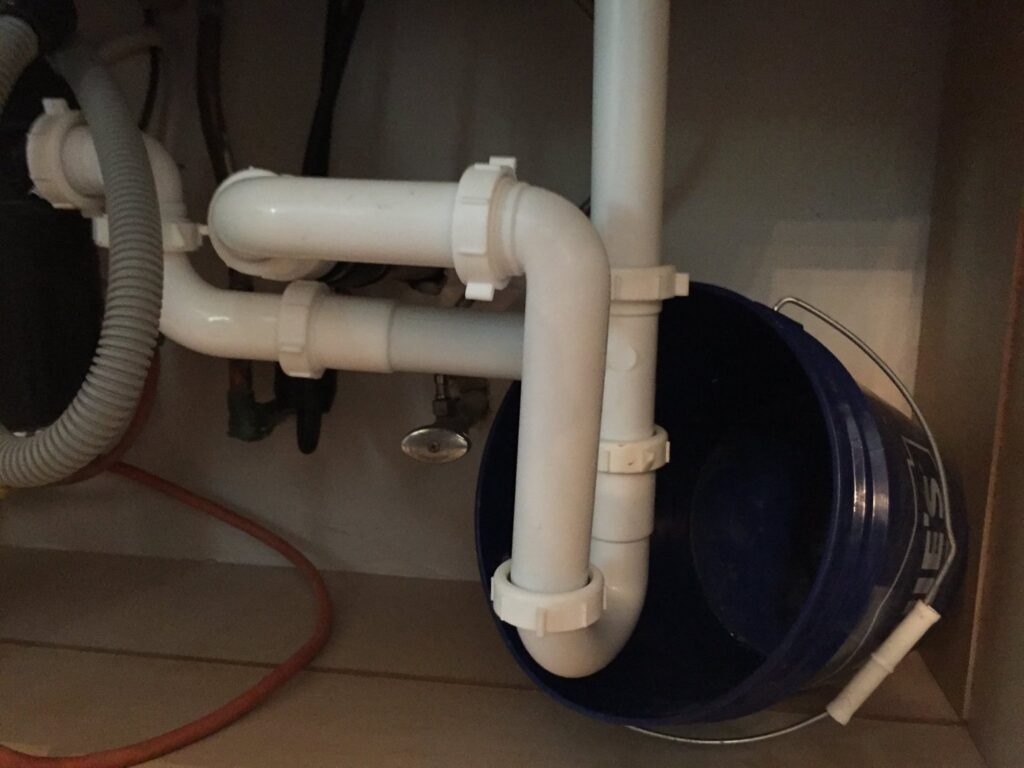
The dried out P trap, a five minute fix
Every drain in your house has a P trap, the U shaped bend that holds a small plug of water, and that water plug is the only thing standing between your living space and the sewer system. When a drain sits unused, the water evaporates, the seal disappears, and sewer gas strolls in. Florida heat speeds up the evaporation, so guest showers, floor drains, laundry standpipes, and wet bar sinks can dry out in a matter of weeks around here.
The fix costs nothing: run water down every rarely used drain for a minute or so once a month. For drains that almost never see use, follow the water with a spoonful of mineral oil, which floats on top and slows evaporation dramatically. Seasonal and second homes around Dade City deal with this constantly, sitting closed up all summer, which is why so many owners come back to a house that greets them with a smell instead of a welcome.
Wax rings and the smell near a toilet
Every toilet seals to the drain flange with a wax ring, and when that seal fails, each flush can push a little sewer gas, and eventually a little water, out around the base. The tells are consistent: a toilet that rocks even slightly, an odor that spikes right after flushing, discoloration in the flooring around the base, or a water stain in the ceiling below an upstairs bath. Rocking is usually what kills the ring in the first place, as the movement slowly works the wax loose.
The repair is straightforward for a plumber: pull the toilet, clean the flange, inspect it for damage, and reset the toilet level and tight on a fresh ring. It is a modest job, and it should never wait, because the same failed seal that leaks gas will eventually leak water into the subfloor, and subfloor repairs cost real money.
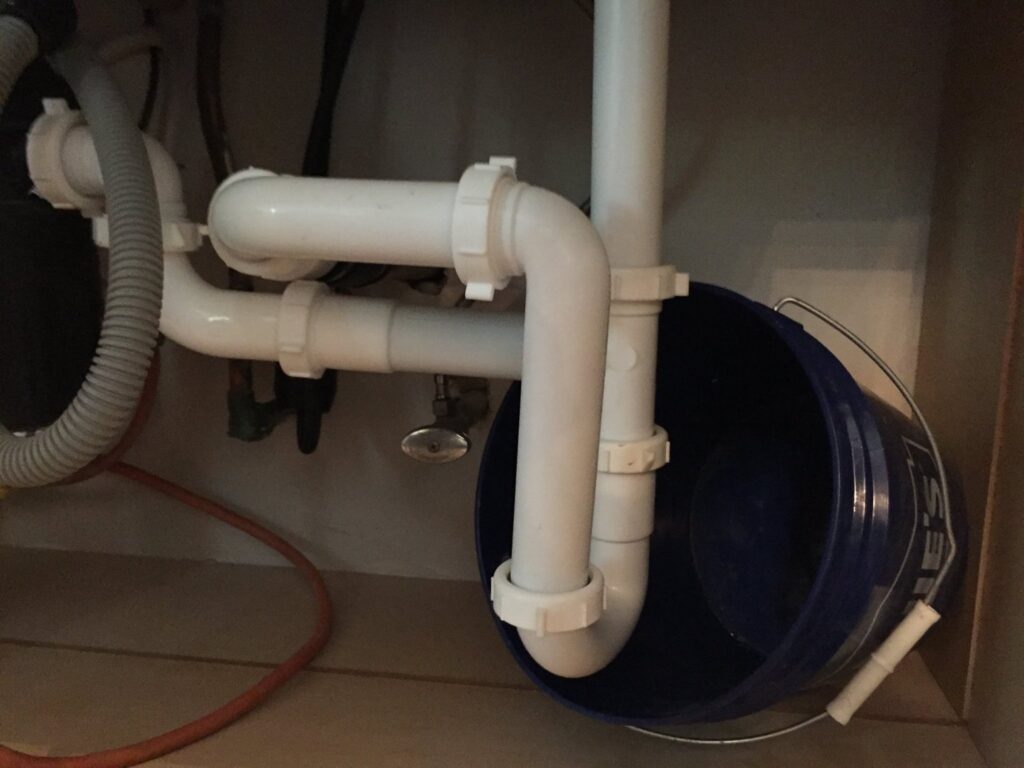
The vent stack, your plumbing’s breathing system
Your drain system breathes through vent pipes that run up through the roof. They let air in so water can flow smoothly and give sewer gases a safe exit above the house. When a vent gets blocked by leaves, a bird nest, or the occasional tennis ball, the system starts gasping. Drains gurgle, traps get siphoned dry and let gas sneak in, and odors appear and disappear with no visible cause.
Venting problems explain the maddening intermittent smell, the one that shows up on some days and vanishes on others, often shifting with wind and weather. Diagnosis usually involves the roof, so leave the ladder work to a pro. Clearing a blocked vent is routine for us and it resolves symptoms that homeowners have sometimes chased around the house for months.
When the line itself is the problem
If the traps are wet, the toilets are sealed, and the vents are clear, the remaining suspect is the drain or sewer line. The older homes around Dade City still carrying original cast iron are prime candidates, since the material rusts rough and eventually cracks, letting gas escape under the house or into walls. Root intrusion at pipe joints and a sagging belly of pipe that holds waste produce the same steady odor. Outside, a persistent sewer smell over the yard, or one suspiciously lush green stripe of grass, points at a leaking lateral line.
The honest way to find any of it is a camera inspection, which shows exactly what is happening inside the pipe and exactly where, with no guess digging. Septic homes have their own version of this conversation, since odor near the tank or drain field usually means pumping is overdue or the field is struggling. Either way, a persistent sewer smell is a health item, not a candle situation.
Bottom Line
Chase the smell in order: fill the traps, check the toilets, then the vents, then the line itself. Most causes are small and cheap when caught early, and even the big ones are found precisely with a camera instead of a shovel. Massey Plumbing tracks sewer odors to their source across Dade City and Pasco County with equipment instead of guesswork. If your nose keeps filing complaints, give us a call and we will close the case.
Related reading: Why Is Your Water Pressure Low? Common Causes in Dade City, FL, Plumbing Checks Every Dade City Home Needs After a Hurricane


