

Why Your Water Heater Keeps Running Out of Hot Water
Few things sour a morning faster than a shower that goes cold halfway through. If it happens once, you blame the teenager who showered first. If it happens every day, your water heater is telling you something, and it is worth listening before a small fix becomes a full replacement.
Around Dade City we see the same handful of culprits over and over. Here is what steals your hot water, which fixes are simple, and how to know when the tank itself is done. A few of these you can even narrow down yourself from the sounds the tank makes and the timing of the cold water.
Why does your water heater keep running out of hot water?
The most common causes are sediment buildup crowding out your tank’s capacity, a failed heating element, a broken dip tube letting cold water mix at the top of the tank, or a tank that is simply too small for your household. In Pasco County, our mineral heavy water makes sediment the usual suspect.
The pattern of the problem is the clue. Hot water that runs out faster than it used to points to sediment or a bad lower element. Water that never gets fully hot points to a thermostat or dip tube. A plumber can usually pin it down in one visit.
Hard water and sediment, the Pasco County classic
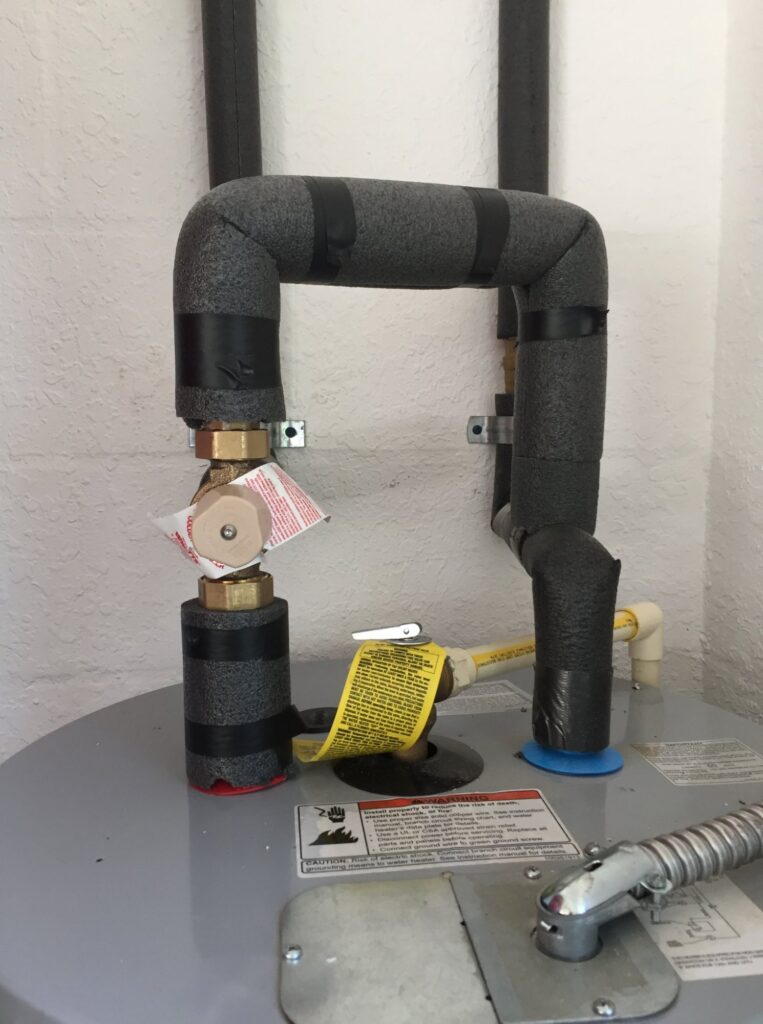
Florida groundwater carries a lot of dissolved minerals, and every time your water heater runs, some of those minerals settle out and collect at the bottom of the tank. Over a few years that layer of sediment can claim a surprising share of your tank, so your 50 gallon heater might only be delivering 35 gallons of actual hot water.
Sediment also buries the lower heating element on electric models, which is most of what we see around Dade City, forcing the tank to work harder for less output. Popping or rumbling sounds from the tank are the giveaway. The fix is a professional flush, and doing one annually is the single best thing you can do for the heater’s lifespan. Homes with a water softener build sediment slower, but the tank still deserves a periodic flush.
The worn parts that steal hot water quietly
Electric water heaters use two heating elements, and when the lower one fails you effectively lose most of the tank without any obvious warning. The heater still makes some hot water, so people live with lukewarm showers for months before calling. A failed thermostat causes similar symptoms and is an equally manageable repair.
The sneakiest failure is the dip tube, the plastic pipe that delivers cold water to the bottom of the tank. When it cracks or breaks off, incoming cold water mixes right in at the top where the hot water exits. The result is water that turns lukewarm fast no matter how new the elements are. Each of these is a modest repair when caught early.
Or maybe the tank is just too small
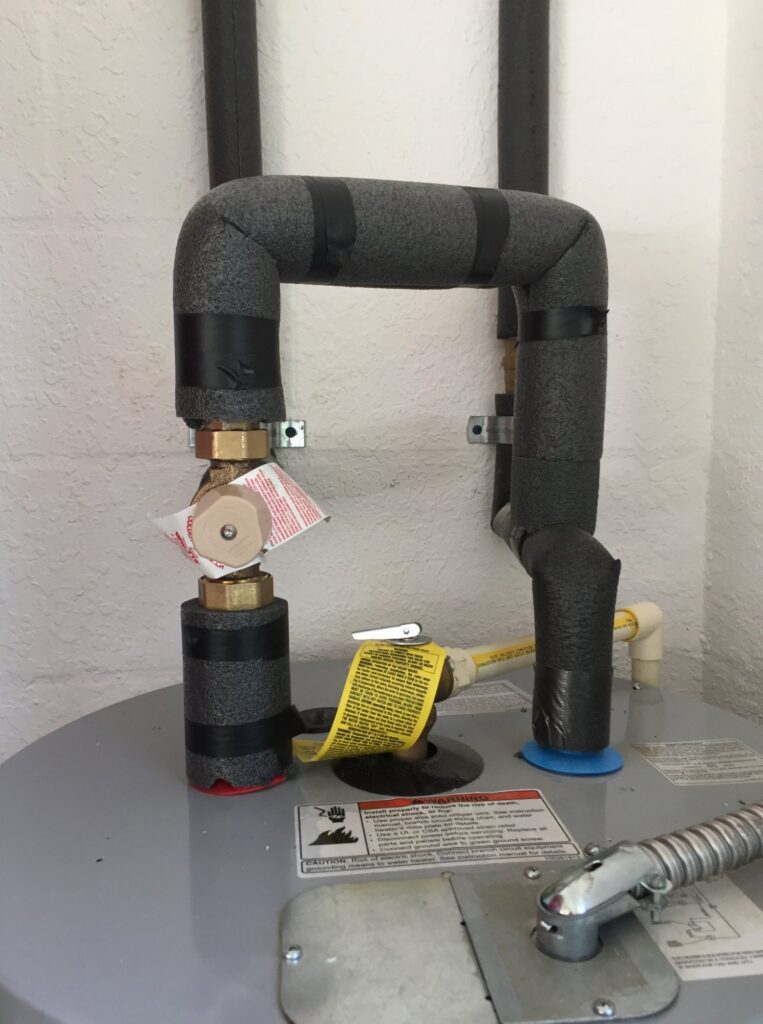
Sometimes nothing is broken at all. A 40 gallon tank that served two people fine will struggle when the household grows, when a soaking tub gets added, or when everyone showers back to back before school and work. If your heater only disappoints during the morning rush, capacity is probably your issue.
The options are a larger tank or a switch to a tankless unit, which heats water on demand and never runs out. Tankless works well in Florida homes since our incoming water is warm, though it costs more upfront. The right answer depends on your usage, your fuel type, and your budget, and an honest plumber will walk you through the math. Recovery speed matters too, since a tank that reheats quickly can serve a busy family better than a bigger tank that reheats slowly.
Repair or replace, the 8 to 12 year rule
Most tank water heaters live 8 to 12 years, and the serial number on the label reveals the age. Inside that window, repairs like elements, thermostats, and dip tubes usually make sense, often landing in the $150 to $500 range depending on the part, though prices vary by unit and access. Past that window, put repair money toward replacement instead.
One rule has no exceptions: if the tank itself is leaking from the body rather than a fitting, replacement is the only fix. A corroded tank never heals. Newer units also heat more efficiently, so an aging heater that limps along is quietly costing you on every power bill while it waits to fail. If you do replace, that is the moment to add a drain pan and a leak alarm, two cheap upgrades that prevent expensive floors.
Bottom Line
Running out of hot water usually traces back to sediment, a worn element or dip tube, or a tank too small for the household, and each has a clear fix. The worst plan is ignoring it, because small water heater problems tend to end in cold showers or wet floors. Massey Plumbing repairs and replaces water heaters across Dade City and Pasco County, and we will tell you straight whether yours needs a part or a replacement. Call us and get your mornings back.
Related reading: How to Prep Your Dade City Plumbing for Florida Storm Season


