(352) 206-4149 Serving Dade City, Zephyrhills, San Antonio & Wesley Chapel
Lic # CFC1429160 Leave a Review Book Now

How to Choose a Plumber in Dade City, FL

When a pipe is spraying water across the laundry room, any plumber with a phone number looks like the right plumber. That urgency is exactly how homeowners end up with sloppy work, surprise bills, and repairs that fail six months later. Plumbing is a trade where a bad hire bills you twice, once on the invoice and again inside your walls.

The better move is choosing your plumber before you need one. Here is how to vet a plumbing company in the Dade City area, what to verify, what to ask, and the warning signs that should end the conversation on the spot.

How do you choose a good plumber in Dade City, FL?

Verify a current Florida plumbing contractor license and insurance, read recent reviews from local customers, get the estimate in writing before work starts, and ask what warranty stands behind the work. A trustworthy Pasco County plumber will not flinch at a single one of those requests.

That checklist takes maybe twenty minutes, and it filters out the majority of bad outcomes before they can happen. The plumbers who resist it are telling you something useful, just not something good. Run the checklist once on a calm day for a routine job, and you will have a proven number saved for the emergencies.

How do you choose a good plumber in Dade City, FL?, Massey Plumbing

Verify the license first, then the insurance

Florida requires plumbing contractors to be licensed through the state, and you can confirm any license in about two minutes on the Florida DBPR website. A legitimate company will hand over its license number without hesitation, and many print it right on the truck and the website. If the number is missing or the answer gets vague, walk away. That license sits on top of state testing, experience requirements, and accountability to a licensing board, which is exactly what you want behind anyone touching your water lines.

Insurance matters just as much. Ask for proof of liability coverage and workers compensation. If an uninsured worker gets hurt in your home or an uninsured mistake floods your kitchen, the cost can land on you. Unlicensed work also creates permit problems that surface at the worst possible time, usually when you are trying to sell the house.

Read reviews like a neighbor, not a tourist

Star ratings are a starting point, but the detail is where the truth lives. Read recent reviews and look for jobs like yours, whether that is a water heater swap, a repipe, or a middle of the night emergency. A company that shines on small repairs might not be the right pick for a whole house project, and the reviews usually reveal that. Volume tells you something too, since fifty detailed reviews say more than five perfect ones.

Pay attention to how the company responds to criticism, because every business gets an unfair review eventually and the reply shows you their character. Around Dade City, Zephyrhills, and San Antonio, word of mouth still counts for plenty too. Ask neighbors who they use and, just as important, who they would never call again. A plumber who has worked your neighborhood for years has likely seen your exact pipe setup a dozen times, and that familiarity shortens every diagnosis.

Read reviews like a neighbor, not a tourist, Massey Plumbing

Get it in writing and ask real questions

Before any wrench turns, you want a written estimate that spells out the work, the price, and what happens if the job uncovers surprises. Ask whether the company charges flat rate or time and materials, who pulls the permit when one is required, and whether the person showing up is an employee or a subcontractor.

Then ask about the warranty on both parts and labor. Good plumbers answer these questions easily because they field them every day. If you feel rushed, pressured, or talked in circles during the estimate, expect the same experience when something goes wrong after the job. Notice how they treat your home at the estimate as well, because shoe covers at the quote stage predict care at the work stage.

Warning signs that should end the conversation

Be cautious with anyone demanding a large cash deposit before starting, quoting a complex job sight unseen over the phone, or pushing you to decide this minute because the price expires. High pressure tactics are a business model, and you are the product.

The lowball bid deserves its own warning. When one quote comes in far below the others, the difference usually comes out of materials, permits, or corners you cannot see. In Florida especially, be wary of door knockers who appear after storms chasing quick work. The cheapest plumber in Pasco County is rarely the cheapest plumber by the time the job is truly finished. When the pressure ramps up, trust the homework you did and do not let urgency talk you out of a twenty minute check.

Bottom Line

Choosing a plumber in Dade City comes down to a verified license, real insurance, honest local reviews, and a written estimate with a warranty behind it. Do that homework once, on a calm day, and you will have a number worth trusting when the emergency comes. Massey Plumbing is happy to be vetted, our license, reviews, and pricing are an open book. Save our number before you need it, and if something is leaking right now, call us today.

Related reading: our plumber san antonio services, How Much Does Drain Cleaning Cost in Pasco County, FL, Repipe or Repair: What Aging Dade City Homes Need to Know

Repipe or Repair: What Aging Dade City Homes Need to Know

Dade City has some of the most character rich housing in Pasco County, from historic homes near downtown to the ranches that went up by the hundreds in the sixties, seventies, and eighties. Character is wonderful. The plumbing hiding in those walls is sometimes less wonderful.

If your older home has sprung a leak, or a second one, you are facing the classic question: patch it and move on, or fix the whole system for good? Here is how we help homeowners think it through. The goal is simple, which is spending your money once and in the right place.

Should you repipe or repair the pipes in your Dade City home?

Repair makes sense when a leak is isolated and the rest of the system is sound. Repipe when leaks keep coming back, water pressure keeps dropping, water shows discoloration, or your home still carries galvanized steel or polybutylene pipe. Paying for repair after repair on failing pipe costs more than fixing it once.

The deciding factor is not the leak in front of you, it is the condition of everything you cannot see. A good plumber looks at the whole system before recommending either path, because the answer lives in the material, the age, and the leak history.

Should you repipe or repair the pipes in your Dade City home?, Massey Plumbing

First, figure out what pipe you actually have

Homes built before the seventies often used galvanized steel, which rusts from the inside until pressure slows to a trickle and the water runs rusty. Copper came next and generally holds up well, though it can develop pinhole leaks, especially in slabs. CPVC, common in Florida from the eighties on, tends to grow brittle with age and can crack during even minor work.

The most notorious material is polybutylene, the gray plastic pipe installed in huge numbers of Florida homes between the late seventies and mid nineties. It degrades from the inside and fails without warning, and many insurance carriers now surcharge or decline homes that still have it. A plumber can identify your pipe in minutes at the water heater and under sinks. Knowing your material turns every future plumbing decision from a guess into a plan.

When a simple repair is the right call

Not every leak is a verdict on the whole house. A failed fitting, a nail strike from a remodel, a worn valve, or a single bad joint in an otherwise healthy copper or CPVC system deserves a repair, not a lecture about repiping. If your pipes are newer materials and this is the first problem, fix it and enjoy your evening. A good repair still includes a look at the surrounding pipe, because the area around a failure usually tells the real story.

Repair can also be the honest bridge when the timing is wrong. If a full repipe is in your future but not in this year’s budget, a quality repair buys time. What matters is knowing which situation you are in, so the money you spend today is a step in the plan rather than the first payment on a pattern.

When a simple repair is the right call, Massey Plumbing

When a repipe is the smarter money

Once leaks become a pattern, the math flips. Every repair on failing pipe carries its own bill, its own drywall patch, and its own risk of happening while you are out of town. Rusty water, pressure that keeps sliding, and multiple leaks within a couple of years are the system telling you it is done.

Insurance often forces the decision in Florida. Carriers increasingly require proof of updated plumbing on older homes, and polybutylene in particular can make coverage hard to keep or renew. If you plan to sell, a completed repipe with permits is a selling point, while known bad pipe becomes a negotiation problem the moment the inspection report lands. Ask your insurance agent how your carrier treats older plumbing, because that answer sometimes sets the timeline for you.

What a repipe actually looks like in a Pasco County home

A whole home repipe sounds enormous, but for a typical single story Dade City home it usually takes two to four days. Modern repipes run PEX, a flexible tubing routed through the attic and walls with minimal cutting, and the openings that are made get patched afterward. Your water is typically only off during working hours, not for the whole project.

Cost depends on the size of the home and the number of fixtures, with many Pasco County repipes landing somewhere between $4,000 and $12,000. Prices vary quite a bit by home, so treat that as a planning range and get a firm written quote. The job should always include permits and inspection, which protects both your insurance standing and your resale paperwork.

Bottom Line

One isolated leak in sound pipe calls for a repair, while repeat leaks, fading pressure, discolored water, or galvanized and polybutylene pipe call for a repipe. The wrong answer is paying indefinitely to patch a system that has already made its decision. Massey Plumbing inspects, repairs, and repipes aging homes across Dade City and Pasco County, and we will give you a straight recommendation with numbers to back it. If your home is due for that conversation, schedule an inspection with us this week.

Related reading: our backflow prevention testing services, Why Your Water Heater Keeps Running Out of Hot Water, How Much Does Drain Cleaning Cost in Pasco County, FL

How Much Does Drain Cleaning Cost in Pasco County, FL

Nobody budgets for a clogged drain. It just shows up, usually on a Sunday, usually when the in laws are visiting. So when you search for help, the first question is almost always the same: what is this going to cost me? Fair question, and one plenty of companies dodge until the truck is already in your driveway.

Here are honest numbers for the Dade City area, along with what makes the price move up or down, and how to keep from paying for the same clog twice.

How much does drain cleaning cost in Pasco County, FL?

Most single drain clogs in Pasco County cost roughly $150 to $350 to clear with a drain machine. Main sewer line clogs typically run $250 to $600, and hydro jetting for heavy buildup usually lands between $350 and $800. Exact pricing varies by home, access, and severity, so get a firm quote before any work begins.

Those ranges cover the vast majority of calls we run around Dade City, Zephyrhills, and San Antonio. Treat them as planning numbers, because the honest price always comes after someone looks at your actual line. The spread exists because no two clogs are the same job, and the difference usually comes down to where the blockage sits and how hard it is to reach.

How much does drain cleaning cost in Pasco County, FL?, Massey Plumbing

What moves the price up or down

Location is the biggest factor. A hair clog in a bathroom sink is quick work. A blockage in the main line between your house and the street takes bigger equipment and more time. Access matters almost as much: a home with an outside cleanout lets us get straight to the problem, while a house without one may mean pulling a toilet to reach the line, which adds to the bill.

Severity and timing round out the picture. A soft clog clears fast, while years of grease or invading roots take real effort. And as with any trade, a 2 PM appointment costs less than a 2 AM emergency. If the situation can safely wait until morning, your wallet will thank you. When you call, ask whether the price includes a camera look afterward, since some companies bundle it and some bill it separately.

Snaking versus hydro jetting, and which one you need

A drain machine, what most people call a snake, bores a hole through the blockage and restores flow. It is the right call for most everyday clogs and it is the cheaper option. Its limitation is that it punches through the problem rather than removing it, so a badly coated pipe can clog again.

Hydro jetting uses high pressure water to scrub the pipe walls clean, clearing grease, scale, sludge, and even roots. It costs more per visit, but for a line that clogs repeatedly, one jetting often outlasts several snakings. For restaurants and older homes with long neglected lines around Pasco County, it is frequently the smarter total spend. A good tech will tell you plainly which one your line needs instead of reaching for the bigger number.

Snaking versus hydro jetting, and which one you need, Massey Plumbing

When a cheap clog is hiding an expensive problem

If the same line clogs every few months, stop paying to clear the symptom and find the cause. Many older Dade City homes still drain through cast iron pipe, which rusts rough on the inside, snags everything that passes, and can channel or collapse at the bottom as it ages. Tree roots also find their way into pipe joints and grow until nothing gets past them.

The honest way to diagnose any of it is a camera inspection, which typically runs $150 to $400 and shows exactly what is happening inside the line. Sometimes the news is good and a jetting buys you years. Sometimes a section of pipe needs replacement. Either way, you are making the decision with facts instead of paying for the same emergency on repeat. Many companies, ours included, credit the camera fee toward repair work if you move forward, which is worth asking about.

How to stop paying for the same clog twice

Most kitchen clogs start with grease, so let pans cool and wipe them out instead of rinsing fat down the sink. Use strainers in showers and tubs to catch hair, and ignore the marketing on flushable wipes, because every drain tech in Florida will tell you they do not break down. Nothing but waste and toilet paper belongs in a toilet.

For lines with a history, a little maintenance goes a long way. Enzyme treatments keep buildup from accumulating, and a scheduled jetting every year or two costs far less than repeated emergency calls. If your home has no outside cleanout, adding one is a modest project that makes every future drain issue faster and cheaper to fix. Small habits plus one good access point beat a lifetime of Saturday emergencies.

Bottom Line

Expect roughly $150 to $350 for a standard drain clog in Pasco County, more for main lines and heavy buildup, and always get the price confirmed before work starts. Repeated clogs deserve a camera look rather than another quick fix. Massey Plumbing clears drains across Dade City and Pasco County with upfront pricing and straight answers about what your line actually needs. If something is draining slow right now, call before it becomes a backup.

Related reading: our drain cleaning services, How to Prep Your Dade City Plumbing for Florida Storm Season, Why Your Water Heater Keeps Running Out of Hot Water

Why Your Water Heater Keeps Running Out of Hot Water

Few things sour a morning faster than a shower that goes cold halfway through. If it happens once, you blame the teenager who showered first. If it happens every day, your water heater is telling you something, and it is worth listening before a small fix becomes a full replacement.

Around Dade City we see the same handful of culprits over and over. Here is what steals your hot water, which fixes are simple, and how to know when the tank itself is done. A few of these you can even narrow down yourself from the sounds the tank makes and the timing of the cold water.

Why does your water heater keep running out of hot water?

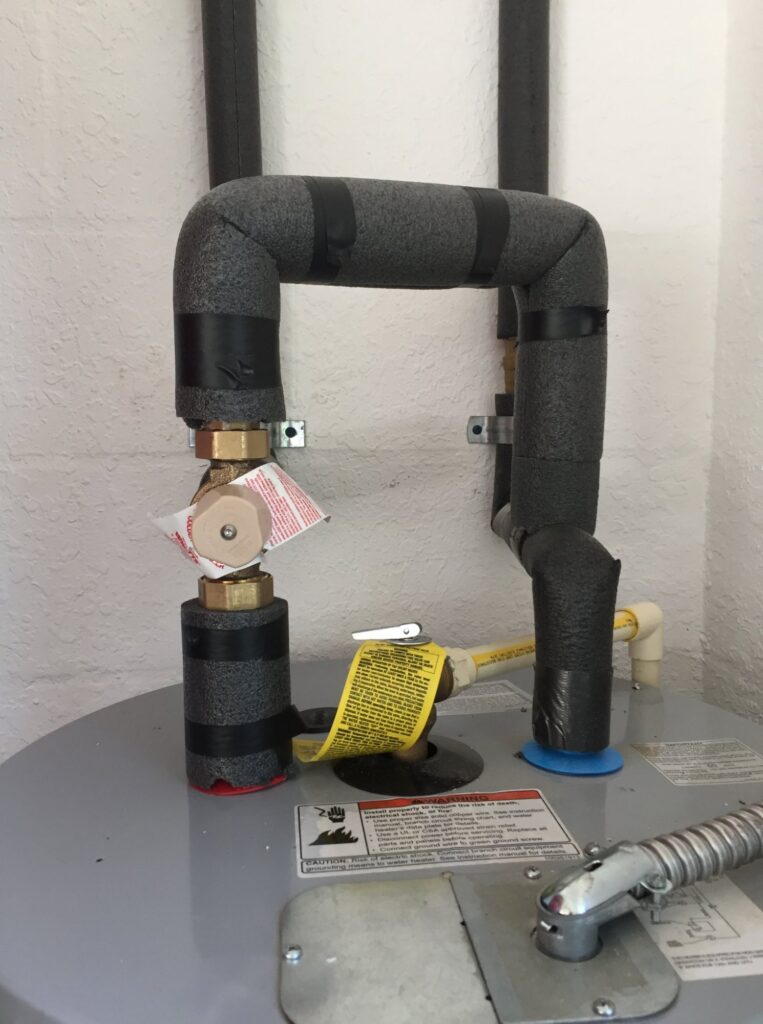
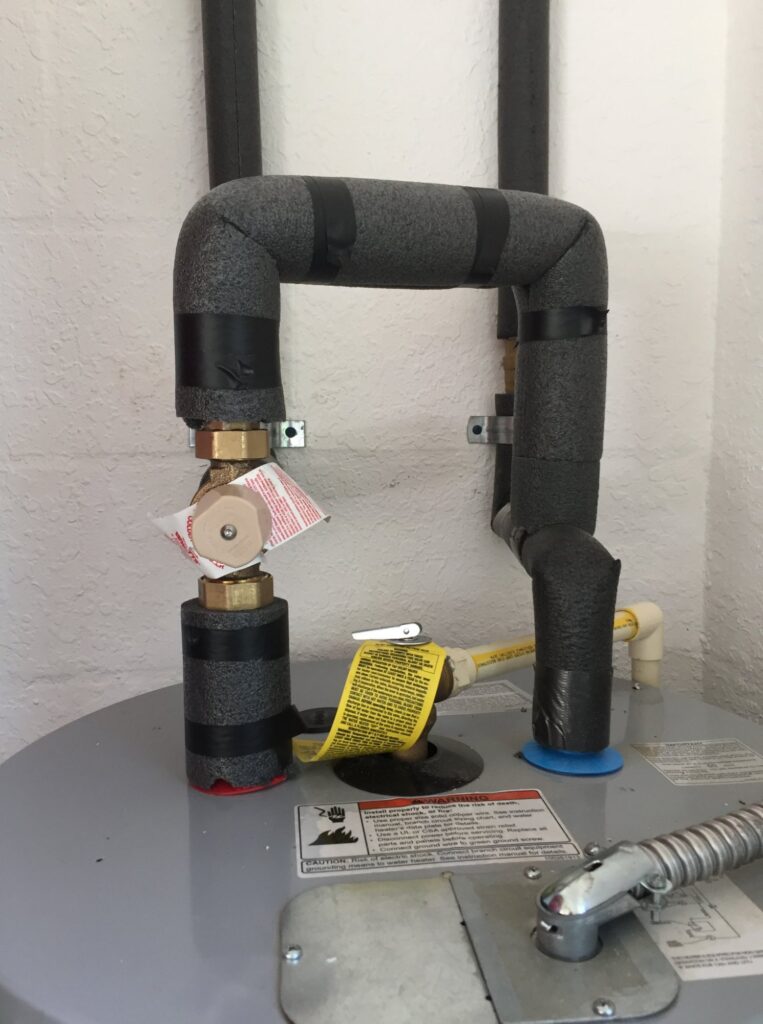
The most common causes are sediment buildup crowding out your tank’s capacity, a failed heating element, a broken dip tube letting cold water mix at the top of the tank, or a tank that is simply too small for your household. In Pasco County, our mineral heavy water makes sediment the usual suspect.

The pattern of the problem is the clue. Hot water that runs out faster than it used to points to sediment or a bad lower element. Water that never gets fully hot points to a thermostat or dip tube. A plumber can usually pin it down in one visit.

Why does your water heater keep running out of hot water?, Massey Plumbing

Hard water and sediment, the Pasco County classic

Florida groundwater carries a lot of dissolved minerals, and every time your water heater runs, some of those minerals settle out and collect at the bottom of the tank. Over a few years that layer of sediment can claim a surprising share of your tank, so your 50 gallon heater might only be delivering 35 gallons of actual hot water.

Sediment also buries the lower heating element on electric models, which is most of what we see around Dade City, forcing the tank to work harder for less output. Popping or rumbling sounds from the tank are the giveaway. The fix is a professional flush, and doing one annually is the single best thing you can do for the heater’s lifespan. Homes with a water softener build sediment slower, but the tank still deserves a periodic flush.

The worn parts that steal hot water quietly

Electric water heaters use two heating elements, and when the lower one fails you effectively lose most of the tank without any obvious warning. The heater still makes some hot water, so people live with lukewarm showers for months before calling. A failed thermostat causes similar symptoms and is an equally manageable repair.

The sneakiest failure is the dip tube, the plastic pipe that delivers cold water to the bottom of the tank. When it cracks or breaks off, incoming cold water mixes right in at the top where the hot water exits. The result is water that turns lukewarm fast no matter how new the elements are. Each of these is a modest repair when caught early.

The worn parts that steal hot water quietly, Massey Plumbing

Or maybe the tank is just too small

Sometimes nothing is broken at all. A 40 gallon tank that served two people fine will struggle when the household grows, when a soaking tub gets added, or when everyone showers back to back before school and work. If your heater only disappoints during the morning rush, capacity is probably your issue.

The options are a larger tank or a switch to a tankless unit, which heats water on demand and never runs out. Tankless works well in Florida homes since our incoming water is warm, though it costs more upfront. The right answer depends on your usage, your fuel type, and your budget, and an honest plumber will walk you through the math. Recovery speed matters too, since a tank that reheats quickly can serve a busy family better than a bigger tank that reheats slowly.

Repair or replace, the 8 to 12 year rule

Most tank water heaters live 8 to 12 years, and the serial number on the label reveals the age. Inside that window, repairs like elements, thermostats, and dip tubes usually make sense, often landing in the $150 to $500 range depending on the part, though prices vary by unit and access. Past that window, put repair money toward replacement instead.

One rule has no exceptions: if the tank itself is leaking from the body rather than a fitting, replacement is the only fix. A corroded tank never heals. Newer units also heat more efficiently, so an aging heater that limps along is quietly costing you on every power bill while it waits to fail. If you do replace, that is the moment to add a drain pan and a leak alarm, two cheap upgrades that prevent expensive floors.

Bottom Line

Running out of hot water usually traces back to sediment, a worn element or dip tube, or a tank too small for the household, and each has a clear fix. The worst plan is ignoring it, because small water heater problems tend to end in cold showers or wet floors. Massey Plumbing repairs and replaces water heaters across Dade City and Pasco County, and we will tell you straight whether yours needs a part or a replacement. Call us and get your mornings back.

Related reading: How to Prep Your Dade City Plumbing for Florida Storm Season

How to Prep Your Dade City Plumbing for Florida Storm Season

In Dade City, the question is never whether the big storms come. It is whether your house is ready when they do. Hurricane season runs June through November, and the daily afternoon downpours start even earlier than that.

Most of the storm related plumbing damage we see across Pasco County was preventable with an hour or two of prep. Here is what to check around your home before the radar lights up, and what to leave to a plumber before the season gets busy. None of it is complicated, and most of it costs nothing but an hour of attention.

How do you prepare your plumbing for storm season in Dade City, FL?

Clear your gutters, downspouts, and yard drains, get slow drains fixed before the rain arrives, find and test your main water shutoff, and secure your water heater. If your home has a septic system, plan for saturated ground. An hour of prep beats a flooded weekend every single time.

Storms do not usually break healthy plumbing. What they do is overwhelm systems that were already struggling. The drain that runs a little slow in April becomes the drain that backs up in August, when the ground is soaked and the rain will not quit.

How do you prepare your plumbing for storm season in Dade City, FL?, Massey Plumbing

Clear the paths water is supposed to take

Start outside. Clean the gutters, make sure downspouts push water several feet away from the foundation, and pull leaves and debris out of any yard drains or swales. Dade City storms can drop several inches of rain in an afternoon, and all of that water needs somewhere to go that is not your slab or your crawl space. While you are up there, confirm the downspout elbows and extensions are still attached, because they are always the first pieces to wander off.

Inside, pay attention to any drain that gurgles or empties slowly. A partial clog plus a saturated yard is exactly how sewage backups happen during storm week. Getting a sluggish drain cleaned in May is a routine appointment. Getting it cleared during a tropical storm is an emergency call, and you will not be the only one making it.

Know your shutoff and check the weak links

Every adult in the house should know where the main water shutoff is and how to use it. In most Pasco County homes it is near the water meter at the street or on the supply line where it enters the house. Test it now, because a valve that has not turned in fifteen years has a habit of refusing to turn when a pipe bursts.

While you are at it, look over the small stuff: supply lines to toilets and the washing machine, corrosion on visible fittings, and hose bibs outside. If you evacuate for a storm, shutting off the main is cheap insurance. A pinhole leak that sprays for three unattended days does more damage than most storms manage on their own. Label the valve while you are at it so a neighbor or house sitter can find it fast if you are out of town.

Protect your water heater from surges and floodwater

Power flickers and surges are hard on water heaters, especially the electronics on newer models. If a storm is bearing down and you plan to leave, turning off the breaker to an electric water heater is a smart move. It protects the elements if the tank ends up in a low water situation and shields the controls from surge damage.

If floodwater ever reaches your water heater, do not simply fire it back up when the water recedes. Soaked gas valves, burners, insulation, and electrical components can fail dangerously later even if the unit seems to run fine. Have it inspected first. The same goes for outdoor tankless units that took debris or standing water during a storm.

Septic systems, sewers, and saturated ground

Much of the area around Dade City sits on a high water table, and after a major storm the ground can stay saturated for days. If you are on septic, that means your drain field may temporarily have nowhere to send water. Ease up on laundry and long showers for a few days after heavy rain so you are not pushing the system while it is underwater.

Homes on municipal sewer are not off the hook either. Overloaded lines can push flow backward into the lowest drains in the house. If your neighborhood has a history of backups, ask us about a backwater valve, which is a one way check that keeps the street’s problems from becoming your bathroom’s problem. It is a modest project in most homes, and it pays for itself the first time the neighborhood system surcharges.

Bottom Line

Storm prep for your plumbing comes down to clear drainage, a shutoff you can trust, a protected water heater, and a plan for saturated ground. Handle those before the season peaks and your house can shrug off most of what a Florida summer throws at it. Massey Plumbing serves Dade City and all of Pasco County year round, storms included. If a drain is slow or a valve will not budge, get it on the schedule now, because the week a storm gets a name is the busiest week of our year.

Repiping Your Home in Pasco County: Why It Matters and How Long It Takes

If your home is more than a few decades old, the pipes hidden inside your walls may be closer to the end of their life than you realize. Across Pasco County and nearby counties like Hernando, Hillsborough and Sumter, a mix of older homes, problem-prone piping materials and hard water has left many properties due for a repipe. Here is what local homeowners should understand about why repipes are so common here, how to spot the pipe that causes the most trouble, what happens if you wait and how quickly the work actually gets done.

Why do so many Pasco County homes need a repipe?

Three things work together in our area to age pipes faster than average. A large amount of the housing in east Pasco and the surrounding towns were built between the late 1970s and the 1990s, which is exactly when problem piping materials were most common. Our water is hard and full of dissolved minerals that build up inside pipes year after year. Florida’s heat and humidity keep your plumbing working hard all year with little rest. Together these factors mean a home here can need repiping years sooner than a similar home in a cooler region with softer water.

How does Pasco County’s water quality affect your pipes?

Our water comes from the Floridan aquifer, which sits in limestone and picks up large amounts of calcium and magnesium on the way. That mineral content is what makes the water “hard”. Every time hard water runs through your pipes it leaves a little scale behind. Over the years that scale narrows the inside of the pipe, lowers your water pressure and speeds up corrosion in older metal lines. It also puts steady stress on the whole system and makes existing weak points worse. A whole-house water filtration or softening system helps protect new pipes once they go in.

What is polybutylene piping, and why is it a problem?

Polybutylene is a gray plastic pipe that was installed in millions of homes built roughly between 1978 and 1995. It was inexpensive and quick to install, so builders used it heavily across Florida and the Sun Belt, including throughout Pasco County and in many of the area’s mobile and manufactured homes. The problem is chemical. Polybutylene reacts with the chlorine and other disinfectants found in normal tap water, and over time the pipe and its fittings turn brittle, flake apart on the inside and fail. These failures often start at the fittings and can become a major leak in minutes. Polybutylene is no longer approved under current plumbing code, and many Florida insurers either refuse to cover a home that still has it or charge much higher premiums.

How can you tell if you have polybutylene pipes?

Polybutylene is easy to recognize once you know what to look for. It is a flexible plastic pipe, usually gray, though it can also be blue, black or white when run outdoors or underground. It commonly measures between half an inch and one inch across. The easiest places to check are where the pipes are already exposed:

  • Around your water heater
  • Near the main water shutoff valve
  • At the water meter
  • Under sinks, where the lines connect to fixtures

Many polybutylene pipes are stamped with the code PB2110 along the side. If your home was built between 1978 and 1995 and you find gray plastic pipe at any of these spots, there is a strong chance it is polybutylene. When you are not certain, a quick inspection from a licensed plumber will confirm what type of piping you have.

Do other types of pipe fail too?

Yes. Polybutylene gets the most attention in our area, and it is one of several pipe materials that wear out over time. Every material has a lifespan, and a repipe addresses any of them. The materials we see fail most often in older Pasco County homes are:

  • Galvanized steel. Common in homes built before the 1970s, galvanized pipe rusts from the inside out. It produces brown or discolored water, loses pressure as the rust closes in and eventually springs leaks.
  • Polybutylene. The gray plastic pipe described above, used heavily from 1978 to 1995 and prone to sudden failure at the fittings.
  • Older copper. Copper lasts a long time, and our mineral-heavy water can still contribute to pinhole leaks over the decades, especially where the copper has been in place for thirty years or more.
  • CPVC. This cream-colored plastic pipe can grow brittle with age and heat, which leads to cracks and failures at the joints.

Whatever material is in your walls, the warning signs look similar: repeat leaks, discolored water, dropping pressure and stains or corrosion on any exposed pipe. A whole-house repipe replaces the entire system with new PEX or copper, so the old material no longer matters.

What are the risks of waiting too long to repipe?

A repipe is a planned job you schedule on your own terms. Waiting until a pipe lets go turns it into an emergency, and the costs climb quickly. Here is what is at stake when failing pipes get ignored:

  • Sudden bursts and flooding. A brittle fitting or corroded joint can give way without warning and release water behind a wall or under the slab in minutes.
  • Water damage. Hidden leaks ruin drywall, flooring, cabinets and baseboards, and that repair bill often costs more than the repipe itself.
  • Mold. In Florida’s humidity, water trapped inside a wall can grow mold within a day or two, which creates a health concern and an expensive cleanup.
  • Higher water bills. A slow hidden leak runs up your bill month after month while quietly causing damage.
  • Insurance problems. Many carriers refuse to renew or pay claims on homes with known polybutylene, and a water damage claim can raise your rates or get your policy dropped.
  • Trouble selling. Polybutylene and corroded pipe show up on home inspections and can stall or kill a sale.
  • Emergency pricing. After-hours emergency work costs far more than a scheduled repipe, and you have less control over the timing and the materials.

The pattern we see most often is a homeowner who pays for several spot repairs over a year or two, then needs the full repipe anyway on top of the cost of fixing water damage. Handling it while the signs are still small is almost always the cheaper path. If you are seeing repeat leaks or discolored water, get a leak detection inspection before a small problem becomes a big one.

How long does a whole-house repipe take?

This is the question we hear most, and the answer tends to put people at ease: most whole-house repipes are finished in a single day. Larger homes, two-story layouts or complex floor plans can run into a second day, and a typical single-family home in Pasco County is usually done in about eight hours. Here is how a repipe day generally goes:

  1. We run the new lines. We install fresh PEX or copper alongside the old system, working through walls, ceilings or the slab as the layout requires.
  2. We connect and pressure test. We tie in the new lines and test the full system to confirm it holds with no leaks.
  3. We restore your water the same day. In almost every case you have running water on the new system by evening.
  4. We close up the access points. We patch the small openings we made, and any drywall finishing is scheduled to be quick and clean.

Your water is shut off only while the work is underway, and you have full use of your plumbing again that evening. We walk you through the whole schedule up front so you know what to expect.

What areas does Massey Plumbing serve for repiping?

We are based in Dade City and repipe homes throughout Pasco County, including Zephyrhills, Wesley Chapel, San Antonio and Land O’ Lakes. We also serve many surrounding communities in Hernando, Hillsborough, Sumter and Polk counties. If you live nearby and are not sure whether we reach your area, give us a call and we will let you know.

Seeing repeat leaks, discolored water or gray polybutylene pipe in your home? Massey Plumbing repipes homes across Pasco County and the surrounding counties, with most jobs done in a single day. Call (352) 206-4149 for an honest inspection and a clear, upfront price.


Frequently Asked Questions

How can I tell if I have polybutylene pipes?

Polybutylene is usually gray and flexible, though it can be blue, black or white outdoors. Check around your water heater, water meter and main shutoff valve. Many polybutylene pipes carry the stamp PB2110 along the side. If your home was built between 1978 and 1995 and you see gray plastic pipe, there is a good chance it is polybutylene, and a licensed plumber can confirm it.

Do only polybutylene pipes fail, or can other pipes have the same problem?

All pipe materials age and can fail. Galvanized steel rusts and clogs, older copper can develop pinhole leaks and CPVC can turn brittle with age. Polybutylene is simply the most failure-prone material common in this area. A whole-house repipe replaces whatever you have with new PEX or copper.

How long does a whole-house repipe take?

Most whole-house repipes are finished in a single day. Larger or two-story homes can take two days. Your water is shut off only during the work and is back on the same day in nearly every case.

What pipe is used to replace old plumbing?

Most repipes today use PEX or copper. PEX is flexible and stands up well to the corrosion and scale that Florida water causes, which makes it a popular choice. Massey Plumbing installs both and will recommend the right fit for your home.

Is polybutylene a problem for home insurance in Florida?

Yes. Many Florida insurers refuse to cover homes that still have polybutylene or charge higher premiums for them. Replacing it with PEX or copper can make a home much easier to insure.

Do mobile and manufactured homes need repiping too?

Yes. Mobile and manufactured homes are common across Pasco County and often have polybutylene piping plus lines that run underneath the home where leaks go unnoticed. Massey Plumbing has extensive experience repiping these homes.

Water Heater Maintenance: How to Make It Last (and When to Replace It)

Your water heater is one of the hardest-working appliances in your home, and it’s easy to forget about until the hot water runs out. A little routine maintenance goes a long way — it keeps the unit efficient, prevents surprise breakdowns, and can add years to its life. Here’s what every homeowner in Dade City and Pasco County should know about caring for a water heater and knowing when it’s time for a new one.

How long does a water heater last?

A traditional tank water heater typically lasts 8 to 12 years. A tankless unit can last 15 to 20 years or more. Those numbers assume regular maintenance — and in Florida, our hard water tends to push tank heaters toward the shorter end of that range unless you stay on top of upkeep.

What maintenance does a water heater need?

Most water heater maintenance is simple and only needs to happen once or twice a year. Here’s the routine that keeps a tank running well:

TaskHow OftenWhy It Matters
Flush the tankOnce a yearClears sediment and scale that build up from hard water and rob efficiency
Check the anode rodEvery 2–3 yearsThis sacrificial rod corrodes so the tank doesn’t — replacing it prevents rust
Test the T&P relief valveOnce a yearA safety valve that releases pressure; a stuck one is a real hazard
Check the temperature settingYearly120°F is the sweet spot for safety, efficiency, and scald prevention
Inspect for leaks & corrosionYearlyCatches small drips and rust before they become a flooded garage

Why does Florida’s hard water matter so much?

Florida’s hard water is loaded with calcium and magnesium. Every time that water is heated, the minerals settle to the bottom of the tank as sediment and scale. That layer insulates the burner from the water, forces the heater to work harder, drives up your energy bill, and shortens the tank’s life. In our area, flushing once a year — sometimes twice — makes a real difference. Pairing the heater with a water softener protects it even further.

What are the signs you need to replace your water heater?

Maintenance buys you time, but every water heater eventually wears out. Watch for these warning signs:

  • It’s 10+ years old. Once a tank heater passes the decade mark, failure risk climbs every year.
  • Rusty or discolored hot water. Brown or metallic-tinted hot water often means the tank is corroding from the inside.
  • Rumbling or popping noises. That’s hardened sediment knocking around — a sign of heavy buildup and a strained tank.
  • Water pooling around the base. A leak from the tank body itself can’t be repaired and means replacement.
  • Not enough hot water. If you’re running out faster than you used to, the tank’s capacity is being eaten up by sediment.
  • Frequent repairs. When you’re calling for repairs every few months, a new unit is usually the cheaper path.

Should you repair or replace your water heater?

A good rule of thumb: if the unit is under 8 years old and the fix is minor — a thermostat, a heating element, the T&P valve — repair it. If it’s near or past its expected lifespan, the repair is expensive, or the tank itself is leaking, replacement is the smarter money. A leaking tank is never repairable. If you’re seeing water pooling, shut off the water and power to the unit and call for leak detection and service right away.

We’ll give you an honest assessment — if a repair will get you a few more good years, we’ll tell you. And if it’s time to replace, we’ll help you choose the right unit and handle the full installation.

Frequently Asked Questions

How often should I flush my water heater?

Once a year is the general recommendation, but in hard-water areas like Pasco County, flushing twice a year keeps sediment from building up and protects the tank’s efficiency and lifespan.

Can I flush my water heater myself?

Some handy homeowners do, but it involves shutting off power or gas, draining a tank of hot water safely, and checking the anode rod and valves. If you’re not comfortable with those steps, Massey Plumbing handles it as part of routine maintenance.

How do I know if my water heater is going bad?

The most common signs are age over 10 years, rusty or discolored hot water, rumbling or popping noises, running out of hot water quickly, water pooling at the base, and needing frequent repairs.

Is it worth repairing an older water heater?

If the unit is under about 8 years old and the repair is minor, it’s usually worth fixing. If it’s near the end of its lifespan, the repair is costly, or the tank is leaking, replacement is the better value.

Does a tankless water heater need maintenance too?

Yes. Tankless units should be descaled (flushed) regularly to remove mineral buildup, especially with Florida’s hard water. A water softener reduces how often that’s needed.

Is your water heater due for maintenance — or showing its age? Massey Plumbing services and replaces water heaters across Dade City and Pasco County. Call (352) 206-4149 to schedule.